1. Validate config and secrets
Check required environment values, route settings, and secret availability before model serving starts.
Operational Discipline run local-first AI systems with predictable startup, routing, and monitoring behavior.
Startup flow
Operator: What is the first check?
System: Validate configuration and secrets before any serving starts.
Operator: What happens next?
System: Initialize the serving substrate, then enable orchestration and policy routes.
Operator: How do we know it is safe?
System: Observe health, logs, and contract behavior while iterating safely.
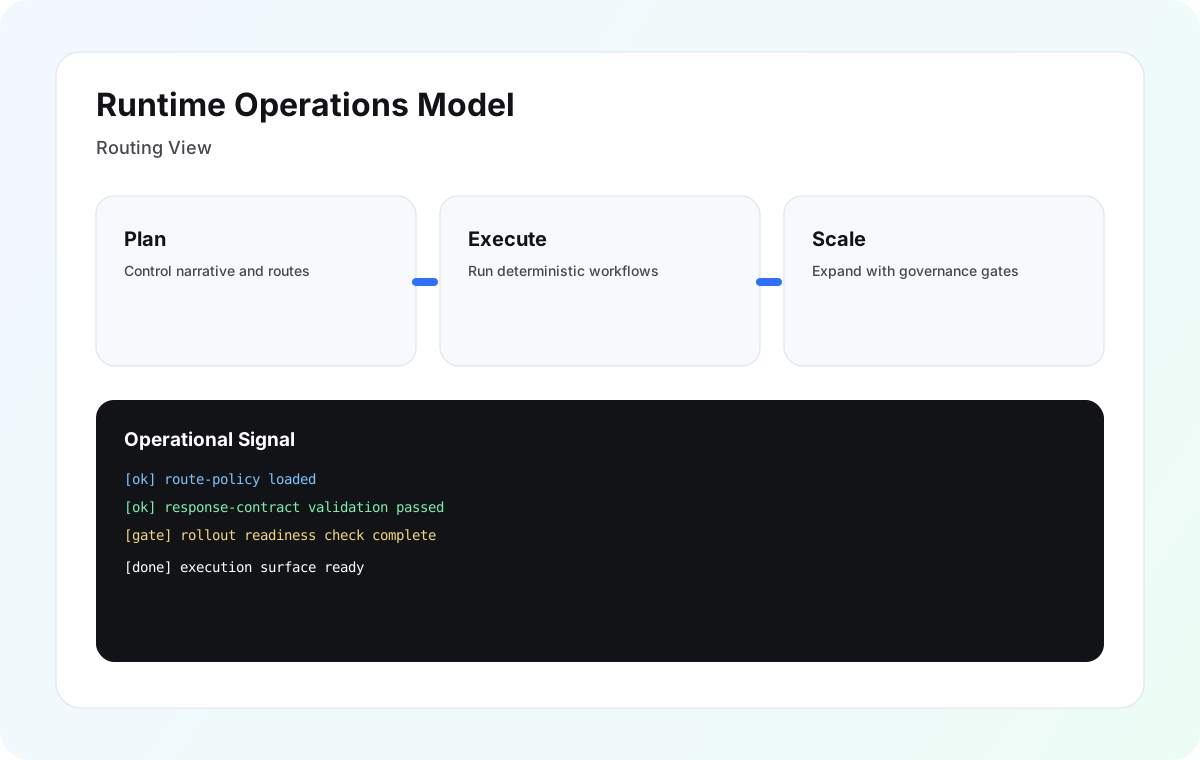
Check required environment values, route settings, and secret availability before model serving starts.
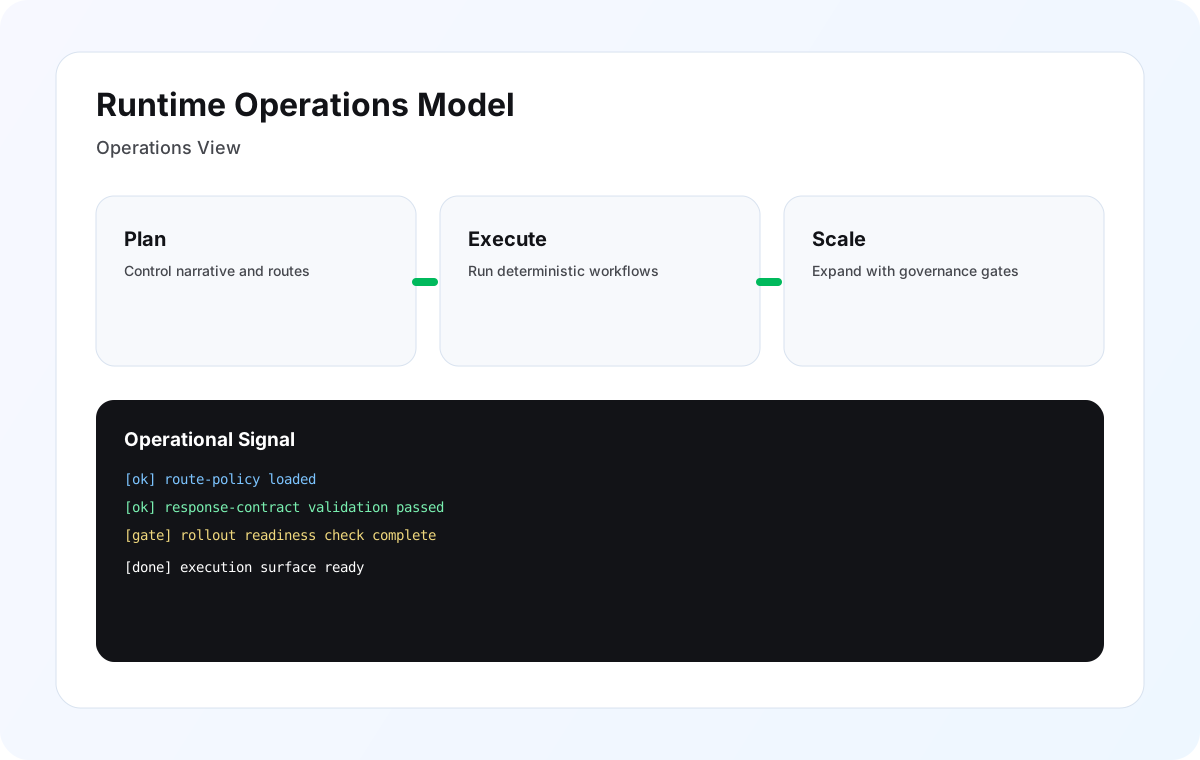
Bring model-serving components and shared-state runtime online before exposing orchestration entry points.
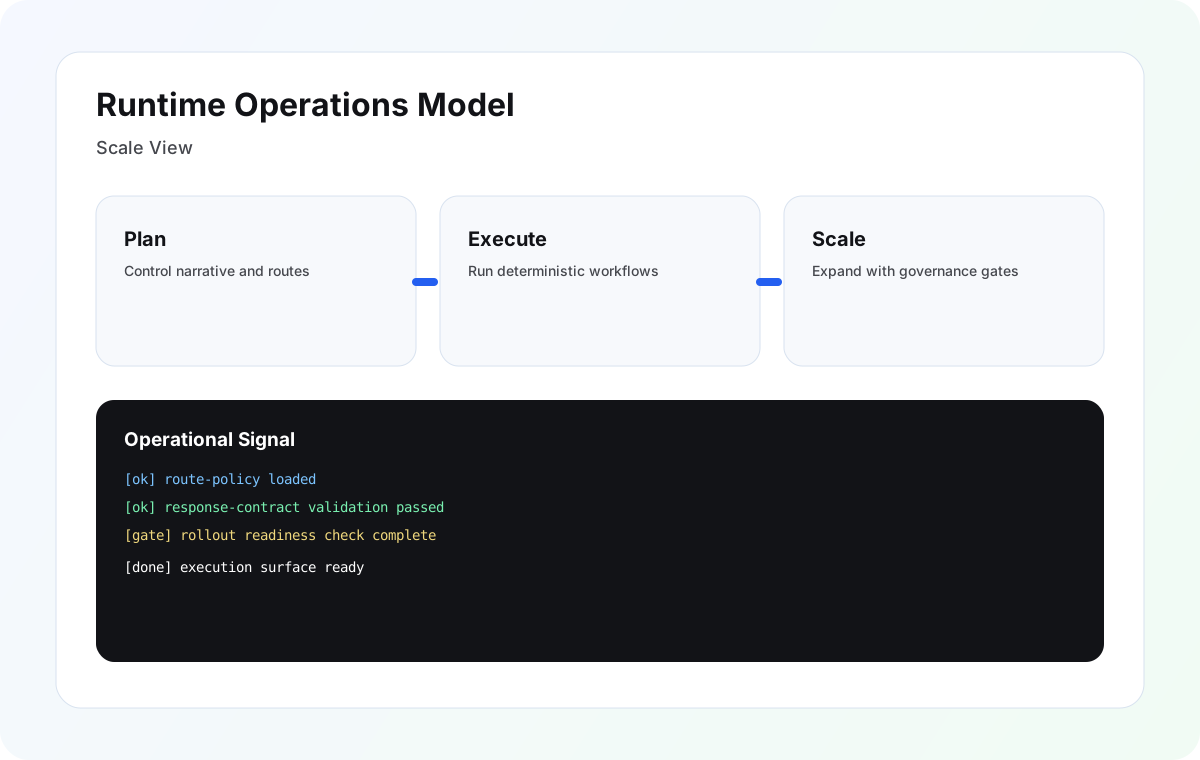
Activate primary and fallback routing only after health checks confirm route viability.
Use logs, health signals, and contract validation to tune behavior without destabilizing production paths.
| Control area | Practice | Risk reduced |
|---|---|---|
| Route governance | Define deterministic primary/fallback policy | Unpredictable failover behavior |
| Response contracts | Normalize model output structure | Downstream parsing breakage |
| Health validation | Run readiness and startup checks | Silent runtime failures |
| Deployment progression | Move from local to staged rollout gates | Premature production exposure |
Need to operationalize AI workflows without sacrificing local control?
Operational guardrail summary