Provider-aware routing
Route requests by workload type and provider health while preserving a stable orchestration surface for application teams.
Integration Paths connect local models, external providers, and specialist backends through one runtime policy layer.
Integration flow
Integrator: How do I begin?
Platform: Set up the provider first, then sync the available models.
Integrator: How do we handle failure?
Platform: Define fallback policy before traffic ever reaches production.
Integrator: What keeps consumers stable?
Platform: Stable response contracts keep the orchestration surface consistent.
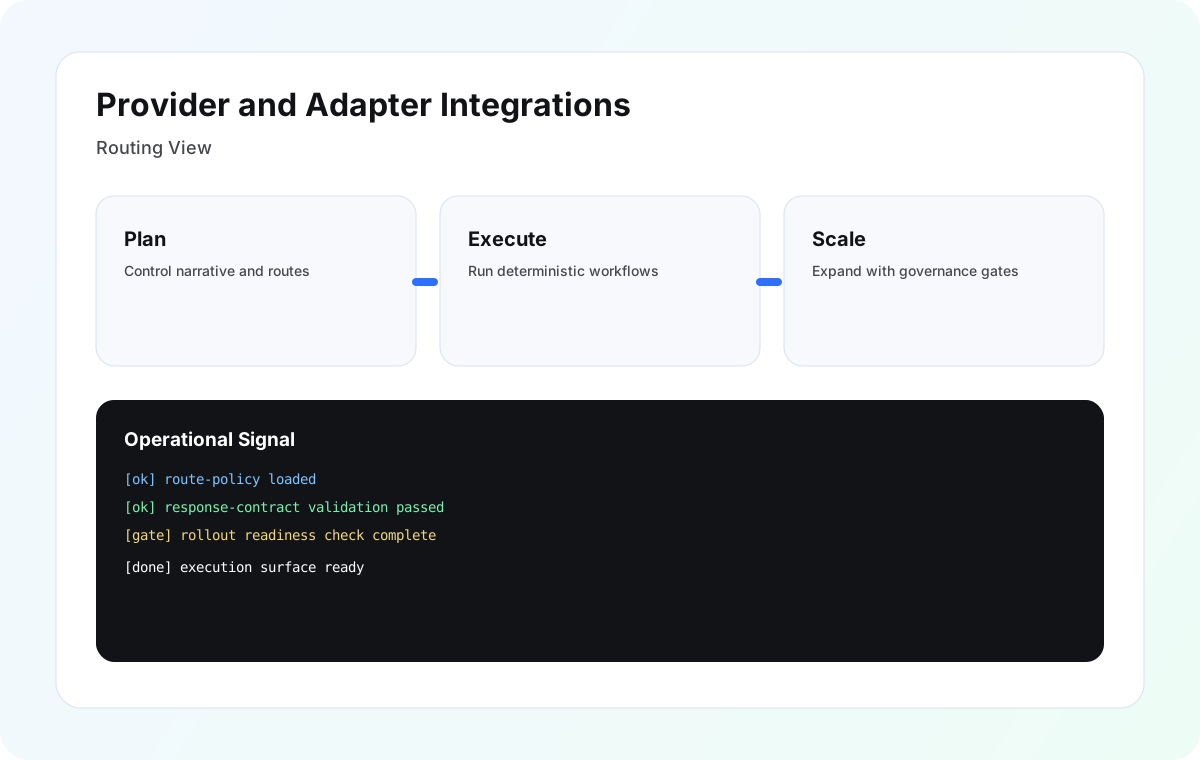
Route requests by workload type and provider health while preserving a stable orchestration surface for application teams.
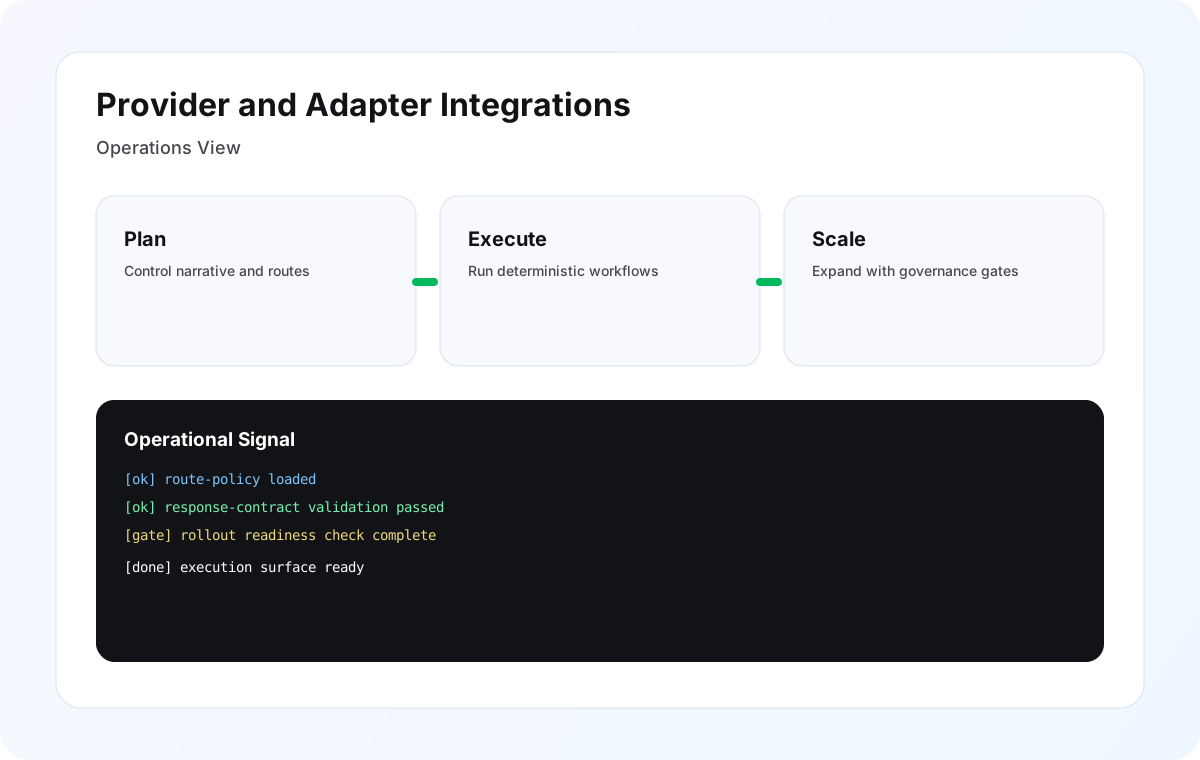
Define primary and secondary paths up front so failures trigger predictable fallback instead of ad hoc route changes.
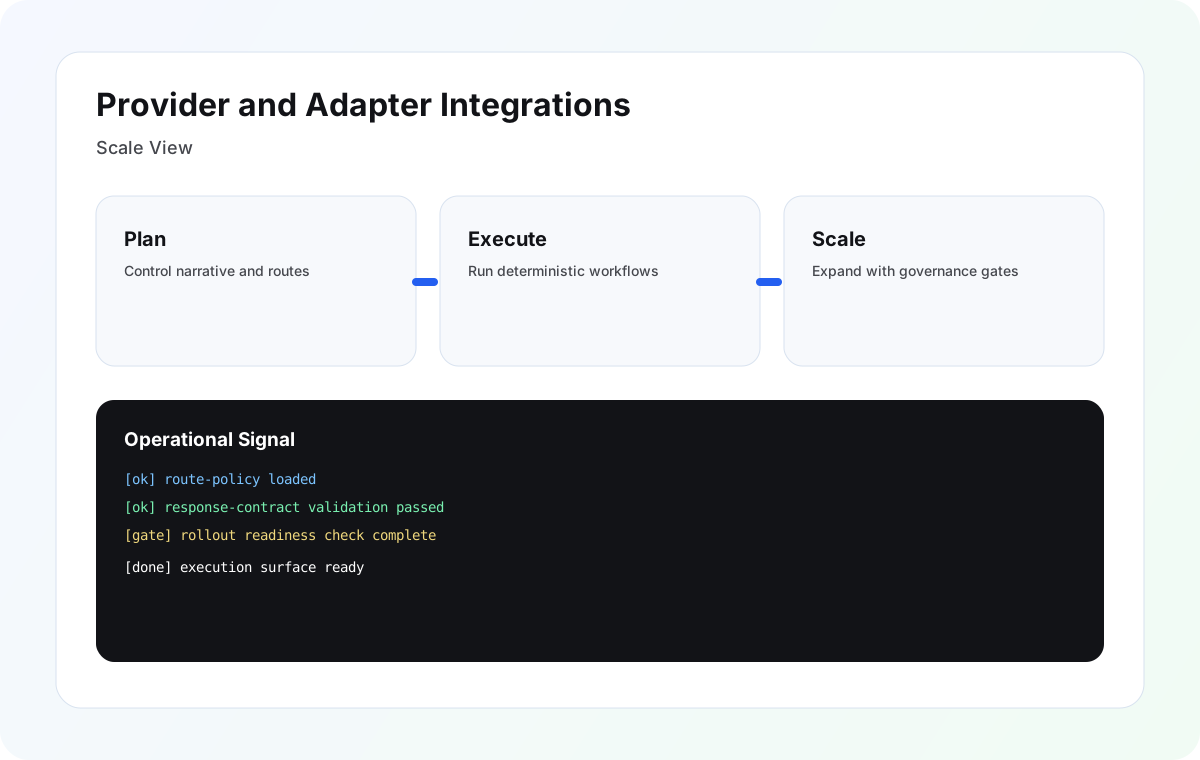
Attach finance, marketing, OCR, and other domain services without coupling the core runtime to a single workload profile.
Normalize outputs into consistent structures so downstream services remain compatible even when providers or models change.
| Step | Goal | Validation signal |
|---|---|---|
| Provider setup | Configure endpoints and credentials | Connectivity checks pass |
| Model discovery | Sync available models | Route catalog matches expectations |
| Fallback policy | Define controlled failover | Primary-to-fallback transitions are deterministic |
| Contract validation | Ensure stable output schema | Downstream consumers pass integration tests |
Ready to connect your providers and specialists without fragmenting runtime behavior?
What this page is for